Building a new apartment block can feel like a big undertaking, and honestly, it is. There’s a lot to get your head around, from picking the right spot to making sure everything is up to scratch with the local councils. You’ve got to think about who’s going to live there, what they’ll need, and how it’s all going to fit together without a hitch. It’s not just about putting up walls; it’s about creating a place people want to call home, and that means getting the details right from the very start. Let’s break down some of the main things you’ll need to consider.
Key Takeaways
- Always check the local building regulations. These rules are there to keep people safe and make sure buildings are sound, so you really can’t skip this step.
- Getting your planning permission sorted is a big one. You’ll need to understand zoning laws and what you’re allowed to build where.
- Think about how people will get around your building and the surrounding area. Traffic management plans are important, especially in busy spots.
- You’ll be working with lots of different people, like architects, engineers, and council officials. Having a good team makes a huge difference.
- The whole approval process can take time. Be prepared for paperwork and inspections to make sure everything is done correctly.
Understanding Building Regulations for Apartment Blocks
When you’re planning to build an apartment block, getting a firm grasp on the relevant building regulations is absolutely vital. These rules aren’t just bureaucratic hurdles; they’re in place to ensure the safety, comfort, and longevity of the building and its future residents. Think of them as the foundational guidelines that shape everything from the structure’s stability to how pleasant it is to live there.
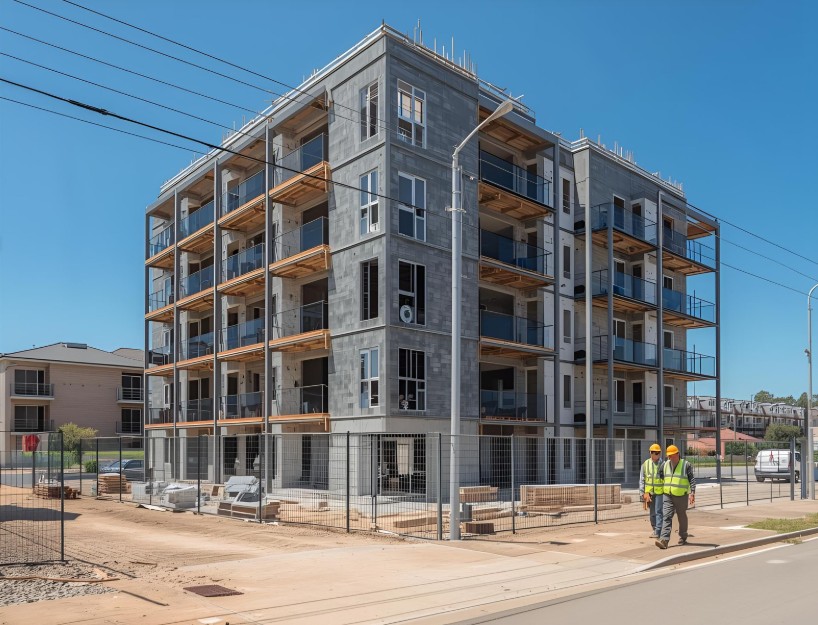
Key Building Regulations to Consider
There’s a whole spectrum of regulations you’ll need to be aware of. These cover everything from the basic structural requirements to finer details like how well the walls block out noise. It’s a lot to take in, but understanding these upfront can save you a great deal of trouble down the line. You’ll be looking at things like fire safety, accessibility for everyone, and how energy-efficient the building will be.
Planning Permission and Zoning Laws
Before you even break ground, you absolutely must secure planning permission. This involves understanding and adhering to local zoning laws. These laws dictate what kind of development is allowed in a specific area, the maximum height of buildings, and how much of the site you can build on. It’s about making sure your apartment block fits in with the surrounding neighbourhood and doesn’t create undue strain on local infrastructure. You’ll need to check the specific requirements for your chosen location, as these can vary significantly.
Structural Integrity and Safety Standards
This is non-negotiable. The building must be structurally sound to withstand various loads and environmental conditions. This includes everything from the foundation to the roof, ensuring it meets stringent safety standards. You’ll need to consider things like earthquake resistance if applicable to your region, and the quality of materials used. The goal is to create a building that is safe for people to live in, now and for decades to come.
Fire Safety Regulations
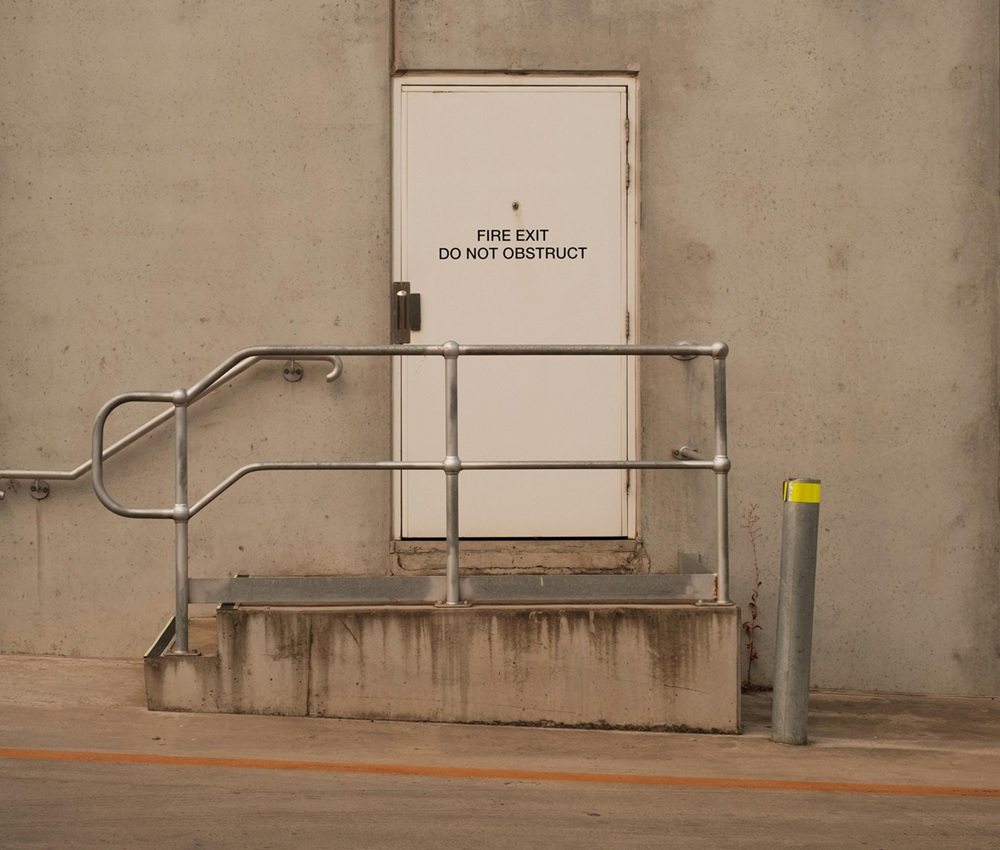
Fire safety is paramount in apartment buildings. Regulations will specify requirements for fire-resistant materials, the number and placement of fire exits, smoke alarms, sprinkler systems (especially for taller buildings), and fire doors. It’s about creating multiple layers of protection to prevent fires from starting and to allow for safe evacuation if one does occur.
Accessibility
Modern building codes increasingly focus on accessibility for all individuals, including those with disabilities. This means incorporating features like ramps, wider doorways, accessible bathrooms, and lifts that can accommodate wheelchairs. Designing with accessibility in mind from the outset is far more efficient than trying to retrofit it later.
Energy Efficiency and Sustainability
With rising energy costs and a growing focus on environmental impact, energy efficiency is a major consideration. Regulations often mandate certain levels of insulation, the use of double-glazed windows, and efficient heating and cooling systems. You might also look into incorporating features like solar panels or rainwater harvesting systems to reduce the building’s environmental footprint and ongoing running costs for residents.
Ventilation and Air Quality
Good ventilation is key to a healthy living environment. Building codes will have requirements for fresh air intake and exhaust systems to ensure adequate air circulation within each unit and common areas. This helps prevent the build-up of pollutants and moisture, contributing to better indoor air quality.
Soundproofing and Acoustic Performance
Living in close proximity means that sound transmission between units and from external sources needs to be managed. Regulations often specify minimum sound insulation standards for walls, floors, and ceilings. This might involve using specific building materials or construction techniques to minimise noise transfer, ensuring a more peaceful living experience for residents.
Waste Management and Refuse Disposal
Effective waste management is another important aspect. You’ll need to plan for adequate space and facilities for the collection and disposal of household waste and recycling. This includes designing convenient and accessible refuse areas that comply with local health and environmental regulations.
Traffic Management Plans
When you’re planning a new apartment block, thinking about how people and vehicles will move around the site and its surroundings is really important. This is where a well-thought-out traffic management plan comes into play. It’s not just about getting cars in and out; it’s about making sure the whole area remains safe and functional for everyone, including residents, visitors, and the wider community.
Developing a robust traffic management plan often starts early in the project, usually as part of the planning permit application process. You’ll need to consider:
- Vehicle Access and Egress: How will cars enter and leave the property? This includes driveways, turning circles, and ensuring there’s enough space for vehicles to manoeuvre safely without blocking public roads.
- On-Site Circulation: Once vehicles are on the property, how will they move around? This covers internal roads, parking areas, and pedestrian pathways to keep different types of movement separate and safe.
- Parking Provisions: How many parking spaces are needed, and where will they be located? This includes resident parking, visitor parking, and potentially spaces for service vehicles or bicycles.
- Pedestrian Safety: Creating safe routes for people walking to and from the building, and within the site itself. This might involve clear footpaths, crossings, and good lighting.
- Public Transport Integration: How does the development connect with nearby public transport options? Encouraging the use of buses or trains can reduce the number of private vehicles.
- Construction Traffic: During the building phase, a separate plan will be needed to manage construction vehicles, deliveries, and worker parking to minimise disruption to the neighbourhood.
A comprehensive traffic management plan in Melbourne demonstrates to authorities that you’ve considered the impact of your development on local traffic flow and safety. It’s a key document that helps gain approval and ensures the long-term liveability of your apartment block.
It’s often beneficial to engage a traffic engineering consultant to help prepare this plan, as they have the specific expertise to assess impacts and design effective solutions that meet regulatory requirements.
Working with Professionals and Authorities
Building an apartment block involves a complex web of regulations and requirements. To successfully navigate this, you’ll need to engage with a range of professionals and government bodies. Assembling a competent team of experts is not just advisable; it’s a necessity for ensuring safety and compliance.
Think of your project team as your primary resource. This typically includes architects, structural engineers, mechanical, electrical, and commercial plumbing (MEP) engineers, and potentially specialist consultants for areas like acoustics or fire safety. Each brings a specific skillset to the table, contributing to the overall integrity and functionality of the building.
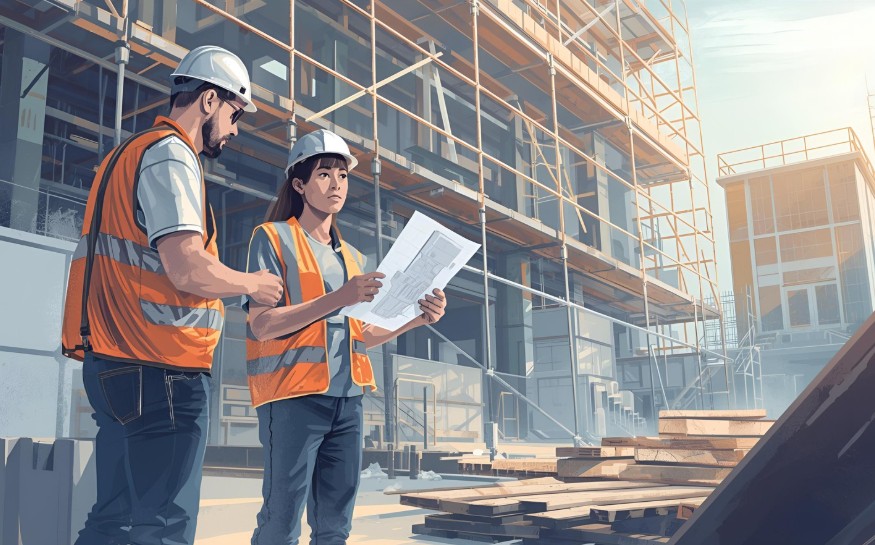
Beyond your immediate team, you will be interacting with various local and state authorities. These bodies are responsible for approving plans, issuing permits, and conducting inspections at different stages of construction. Understanding their specific requirements and timelines from the outset can prevent significant delays and costly rework.
Here’s a general overview of the professionals and authorities you’ll likely collaborate with:
- Architects: For design, spatial planning, and aesthetic considerations.
- Engineers (Structural, Civil, MEP): To ensure the building’s physical integrity, utility systems, and adherence to technical standards.
- Building Surveyors/Certifiers: To verify that construction meets all relevant building codes and standards.
- Local Council/Planning Department: For zoning approvals, development applications, and compliance with local planning policies.
- Fire Services: To review and approve fire safety systems and evacuation plans.
- Environmental Agencies: If the project has environmental implications.
It’s wise to establish clear lines of communication with all parties involved. Regular meetings and proactive engagement can help identify and resolve potential issues before they escalate. Remember, these professionals and authorities are there to guide the process and uphold standards, making your project safer and more robust.
Building an apartment block requires a collaborative approach. Engaging with the right professionals early on and maintaining open communication with regulatory bodies will streamline the approval process and contribute to a successful outcome.
Navigating the Approval Process
Getting your apartment block project from concept to reality involves a structured approval process. This isn’t a step to rush; it requires careful attention to detail and a thorough understanding of local council requirements.
Think of it as a series of checkpoints designed to ensure your building is safe, compliant, and fits within the community.
Here’s a general overview of what you can expect:
- Initial Consultation and Design Review: Before lodging formal applications, it’s wise to consult with the relevant planning authorities. This allows you to discuss your proposal, understand potential challenges, and get feedback on your preliminary designs.
- Development Application (DA) Lodgement: This is the formal application to the local council. It will include detailed architectural plans, engineering reports, traffic management studies, and environmental impact assessments. Accuracy and completeness here are paramount to avoid delays.
- Public Notification and Submissions: Your application will typically be advertised, allowing neighbours and the public to make submissions. You’ll need to be prepared to address any concerns raised.
- Council Assessment: Council planners will assess your DA against planning controls, policies, and any submissions received. This stage can involve multiple reviews and requests for further information.
- Approval or Refusal: Based on the assessment, the council will either approve your application (often with conditions) or refuse it. If approved, you’ll receive a consent notice outlining the requirements you must meet.
- Construction Certificates and Compliance: Once you have development approval, you’ll need to obtain construction certificates before building can commence. These confirm that the detailed construction plans comply with the Building Code of Australia and other relevant standards. Regular inspections throughout construction are also part of this process to verify ongoing compliance.
The key to a smoother approval journey lies in meticulous preparation and proactive engagement. Understanding the specific regulations in your chosen locality from the outset will save considerable time and potential frustration down the line.
Remember, each council has its own nuances, so engaging with planning professionals who are familiar with the local system is highly recommended. They can help interpret complex requirements and ensure your documentation is robust.
Wrapping Up Your Apartment Project
So, you’ve looked at all the bits and pieces that go into building a new apartment block. It’s a lot, isn’t it? From picking the right spot and getting your team sorted to thinking about how people will actually live in the building – like making sure it’s not too noisy and everyone has a bit of privacy. Don’t forget the practical stuff too, like how easy it is to clean the windows or making sure the common areas are actually nice to be in. It’s about creating a place people want to call home, not just another building. Keep all these points in mind, and you’ll be well on your way to a successful project that stands the test of time.
Frequently Asked Questions
What are the main rules you need to follow when building an apartment block?
You’ll need to stick to a bunch of rules covering things like how strong the building must be, fire safety measures, making sure everyone can get around easily, and how energy-efficient it should be. It’s all about making sure the building is safe, comfortable, and good for the environment.
How do you get permission to build an apartment block?
Getting the green light involves applying for planning permission from your local council. You’ll need to show them your plans, explain how the building fits into the neighbourhood, and prove it meets all the necessary building codes and regulations. It’s a bit like getting approval for a big project at school, but with much stricter rules.
What makes an apartment block safe?
Safety is super important. This means making sure the building’s structure is solid, it has good fire escape routes and alarms, and that things like electrical wiring and gas systems are installed correctly. Think strong foundations, clear exits, and reliable safety equipment.
Why is accessibility important in apartment design?
Accessibility means designing the building so that everyone, including people with disabilities or those who are older, can use it easily. This includes things like ramps instead of just stairs, lifts, and making sure doorways and bathrooms are wide enough. It’s about making sure everyone feels welcome and can live there comfortably.
What’s the deal with noise in apartment buildings?
Apartment buildings can be noisy, both from outside traffic and from neighbours. To combat this, builders use special materials and designs to block sound between units, like thick walls and good windows. It’s all about trying to keep things peaceful inside your own home.
How can you make an apartment block environmentally friendly?
You can make an apartment block eco-friendly by using good insulation, energy-saving windows, and efficient heating and cooling systems. Using solar panels and making sure there’s good natural light and ventilation also helps. It’s about reducing the building’s impact on the planet and saving energy.