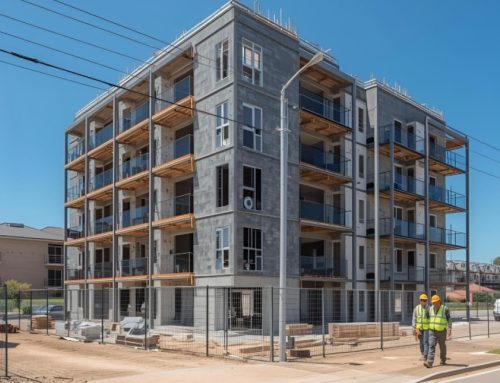
Building projects, whether for your home or a commercial space, can sometimes hit unexpected snags. It’s not uncommon for disagreements to pop up, and knowing what these issues typically are is the first step to sorting them out.
Navigating Contractual Disagreements
Contracts are the backbone of any building project. They lay out what everyone agrees to do, when, and for how much. However, misunderstandings can still occur. These often centre around:
- Scope of Work: What was actually agreed upon? Sometimes, what was built doesn’t quite match what was intended, leading to arguments about whether extra work was included or not.
- Variations: Changes during a build are frequent. If these aren’t properly documented and agreed upon in writing, they can become major points of contention, especially regarding cost and time.
- Payment Issues: Disagreements over progress payments, final invoices, or claims for additional costs are quite common. Sometimes, the quality of work might be questioned, leading to withheld payments.
- Delays: Projects rarely run exactly to schedule. When delays happen, figuring out who is responsible and what the consequences are can spark a dispute.
It’s vital to have a clear, detailed contract from the start to minimise these kinds of issues.
A well-understood contract acts as a guide. When everyone knows the terms, it’s much easier to keep things on track and avoid arguments later on.
Addressing Strata Title Conflicts
Living in a strata property, like an apartment block or townhouse complex, means sharing spaces and responsibilities with neighbours. This shared environment can sometimes lead to unique disputes:
- Maintenance and Repairs: Who pays for fixing the common roof? Is the body corporate responsible for repairing a leak from a neighbour’s unit? These questions about common property maintenance are frequent.
- By-Law Breaches: Strata schemes have rules, or by-laws, covering things like noise levels, pet ownership, or how common areas can be used. When these rules are broken, it can cause significant friction.
- Financial Management: Disagreements can arise over how the strata scheme’s finances are managed, including the fairness of levies, how funds are spent, or whether there’s a lack of transparency.
- Use of Common Property: Conflicts over parking spots, the use of shared gardens, or access to facilities like pools or gyms are also common.
These situations require careful attention to the specific by-laws and legislation governing strata schemes in your state or territory.
Strategies for Resolving Building Disputes
When disagreements arise on your building project, it’s natural to feel concerned. Fortunately, there are effective pathways to resolution that can help you move forward. Sourcing the right lawyers for building disputes can be a smart way forward. The key is to approach these situations with a clear head and a plan.
The Power of Negotiation and Mediation
Before things get complicated, exploring negotiation is often the most sensible first step. This involves having a direct, open conversation with the other party to understand their perspective and clearly state your own. Often, a simple discussion can clear up misunderstandings and lead to a mutually agreeable solution. Remember, the goal here is to find common ground, not to assign blame. Keeping communication channels open and maintaining a respectful tone can make a significant difference.
If direct negotiation doesn’t yield results, mediation offers a more structured approach. A neutral third party, the mediator, will guide the conversation, helping both sides to communicate effectively and explore potential solutions. Mediation is confidential and aims for a ‘win-win’ outcome, preserving relationships where possible. It’s a less formal and generally more cost-effective option than heading straight to court.
Here’s a look at how negotiation and mediation can work:
- Preparation: Clearly define your objectives and gather all relevant information before engaging.
- Active Listening: Pay close attention to the other party’s concerns and viewpoints.
- Focus on Interests: Look beyond stated positions to understand the underlying needs of each party.
- Creative Solutions: Be open to exploring various options that could satisfy everyone involved.
Mediation is particularly useful in strata disputes, where maintaining a harmonious living environment is as important as resolving the immediate issue.
When Litigation Becomes Necessary
Sometimes, despite best efforts, disputes cannot be resolved through negotiation or mediation. In these instances, litigation—the formal legal process through the courts—may be the only remaining option. This involves presenting your case before a judge, who will make a binding decision. While litigation can provide a definitive resolution, it is important to be aware that it can be a lengthy, complex, and expensive undertaking. Therefore, it is generally considered a last resort, pursued only after all other avenues have been exhausted. Consulting with a legal professional experienced in building disputes is highly recommended before embarking on this path to understand your rights, obligations, and the potential outcomes.
Preventing Future Building Disputes
The Importance of Clear Contractual Terms
Building a new home or undertaking renovations is a significant undertaking, and the foundation of a smooth project lies in a well-defined contract. Clarity in your contractual terms is your first line of defence against potential disagreements. Think of it as the blueprint for your project’s legal and financial journey. Without precise language, misunderstandings can easily take root, leading to costly disputes down the track. It’s wise to use standard contracts offered by reputable industry bodies, such as the Master Builders Association, or those provided by Fair Trading. These often cover common scenarios and provide a solid starting point. However, always ensure the contract accurately reflects your specific project. This means detailing the exact scope of work, the materials to be used, the project timeline with clear milestones, and the payment schedule. Don’t overlook the finer points; understand every clause before you sign.
Best Practices for Documentation and Communication
Beyond the contract itself, maintaining meticulous records and fostering open communication are vital for a dispute-free building experience. Every conversation, decision, and change should be documented. This isn’t about mistrust; it’s about creating a clear history of the project. Keep copies of all emails, letters, meeting minutes, and any variations to the original contract. Photographic evidence of progress at key stages can also be incredibly useful.
When it comes to communication, regular updates are key. Schedule regular site meetings with your builder or contractor. Use these meetings not just for progress reports, but to address any concerns or questions you might have, no matter how small they seem. Encourage a collaborative environment where all parties feel comfortable raising issues early. This proactive approach allows for swift resolution before minor problems escalate into major disputes.
Here are some practical steps to implement:
- Maintain a Project Diary: Record daily activities, site conditions, and any discussions held.
- Keep Financial Records: Track all payments made and received, and keep all invoices and receipts organised.
- Document Variations: Any changes to the original scope of work must be agreed upon in writing, detailing the cost and time implications.
- Communicate in Writing: For important matters, follow up verbal conversations with an email to confirm understanding.
Proactive documentation and consistent communication build a transparent project environment. This diligence protects your interests and fosters a more harmonious relationship with your building professionals, ultimately leading to a more successful outcome for everyone involved.
Wrapping Up: Your Path Forward
So, we’ve covered a fair bit about building disputes here in Australia. It’s not always straightforward, is it? From making sure your contract is spot-on from the get-go to knowing what to do when things go sideways, there’s a lot to keep in mind. Remember, clear communication and good documentation are your best mates throughout the whole process. Don’t be afraid to explore options like negotiation or mediation before you even think about court. Knowing your rights and the laws that apply to your situation is key. By staying informed and taking a proactive approach, you’re much better placed to sort out any building issues that pop up and get things back on track.