What would you do if there were a chemical spill in your warehouse? It’s not the sort of situation anyone likes to imagine, but being unprepared can turn a minor accident into a major incident. That’s why every business handling hazardous materials needs a proper Chemical Spill Emergency Response Plan. Having the right equipment on hand, like spill bunds, and knowing exactly what steps to take can make all the difference when minutes matter.
Prevention Is Better Than a Cure
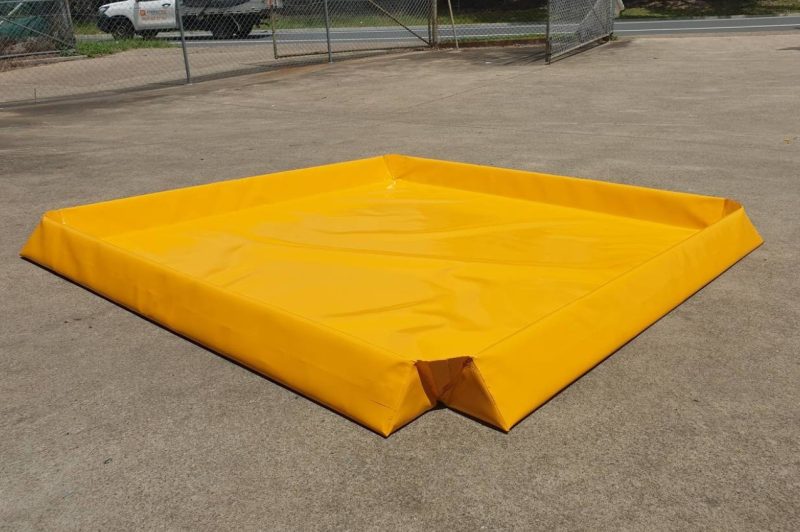
Putting the right preventative measures in place is always the smartest move. For example, using a spill bund under every drum and container, conducting regular equipment checks, and ensuring safe handling procedures are followed, all significantly reduce the risk of accidents.
Spill Kits Are Essential
A well-stocked spill kit gives you everything needed to respond quickly and safely when an accident happens. Most spill kits typically include:
- Contaminated waste bags and cable ties.
- Booms or socks to contain liquids.
- Absorbent floor sweep.
- Polypropylene absorbent pads and pillows.
- Personal protective equipment (PPE).
- Basic clean up tools like brooms, brushes, and dustpans.
Six Key Steps for Handling a Spill
- Assess the Risk
Before jumping into action, take a moment to assess the situation. What has been spilled? How much has been released? Are there any immediate dangers to people, property, or the environment? Understanding the nature of the spill helps you decide the safest and most effective response.
- Protection
Next, make sure you protect yourself and your team by wearing the appropriate PPE from your spill kit – gloves, goggles, and coveralls at a minimum. If there are hazardous vapours, a respirator may also be necessary, as safety always comes first.
- Stop the Cause
If it’s safe to do so, stop the source of the spill – this might mean closing a valve, uprighting a tipped drum, or using absorbent socks to slow the flow. The goal is to limit further release of the substance as quickly as possible without putting yourself at risk.
- Contain the Spill
Use booms, socks, or absorbent barriers to prevent the spill from spreading. Focus first on protecting nearby drains, waterways, and sensitive areas. Creating a containment zone buys you time to clean up the spill properly without causing wider damage.
- Clean Up the Spill
Once the spill is contained, it’s time to clean up using absorbent pads, pillows, or floor sweep to soak up the liquid, carefully placing all contaminated materials into the waste bags provided in your spill kit. Work systematically from the outside edges of the spill towards the centre to avoid spreading it further.
- Reporting and Restocking
After the spill has been cleaned up, report the incident according to your workplace procedures. It’s important to document what happened, how it was handled, and whether any changes to procedures are needed to prevent a future spill. Don’t forget to restock your spill kit so you’re ready for next time – hopefully, there won’t be one.
Being Ready When It Counts
Accidents happen in any workplace, but with the right preparation and quick thinking, you can handle a spill safely and efficiently. Having a clear plan, the right equipment, and staff who know what to do makes all the difference when it matters most. Staying ready helps protect your people, business, and the environment from unnecessary harm.